
-
-
-
-
-
-
-
-
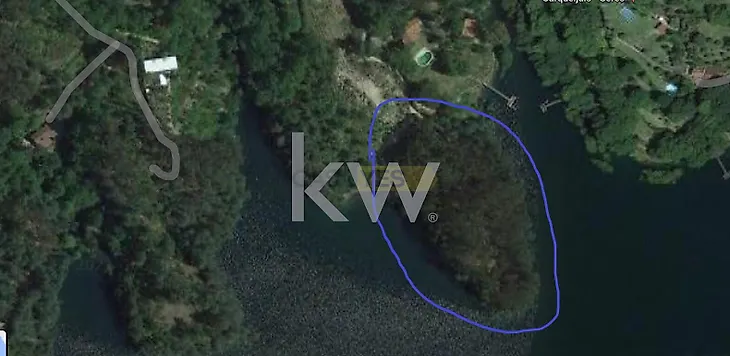
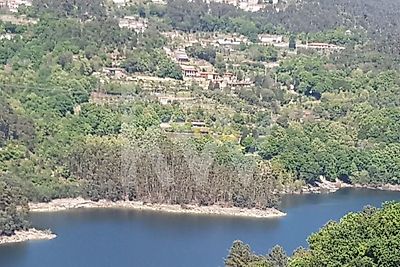
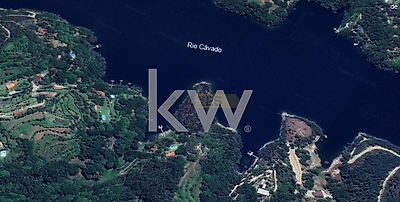
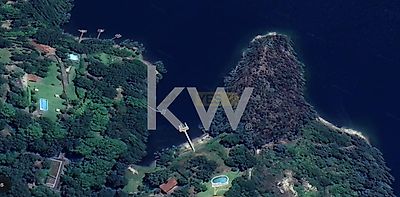
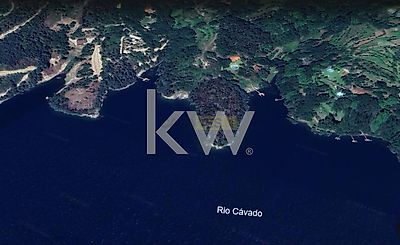

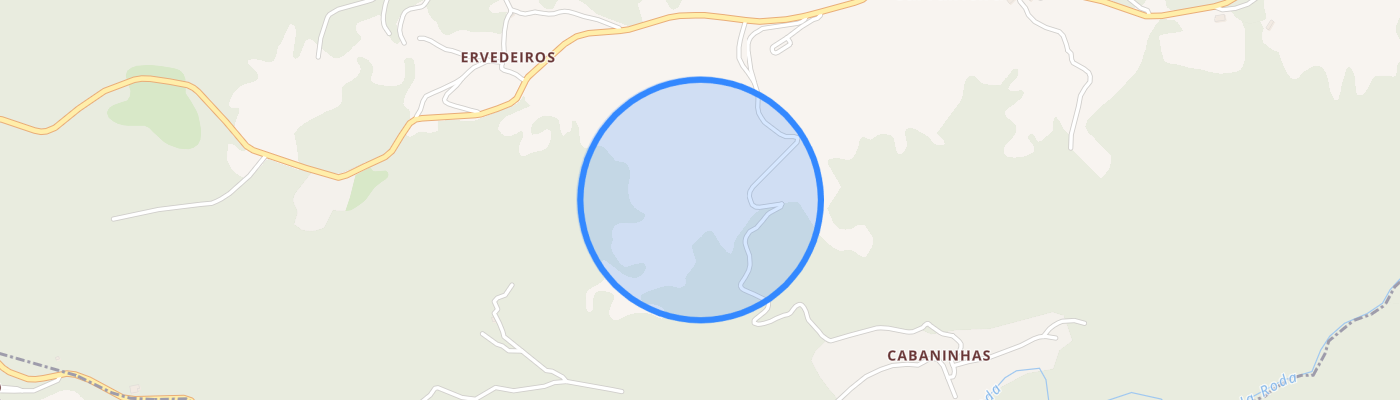
This site is located in the Serra do Gerês, an area of exceptional natural beauty protected by the Peneda-Gerês National Park in northern Portugal. This site is close to the Cávado River and the Caniçada Dam, two important natural landmarks in the region. Site Features Location and Accessibility: Situated on the slopes of the Serra do Gerês, the site offers stunning panoramic views of the river and the dam. Accessibility is reasonably good, with a road providing access to the site. The proximity to the Caniçada Dam facilitates access for visitors interested in water activities and other attractions in the area. Landscape and Natural Environment: The local vegetation is diverse, consisting of dense forests, shrubs, and a variety of native flora. The land presents a varied relief, with flat areas and gentle slopes that facilitate the development of tourism infrastructure without compromising the natural integrity of the site. Water Resources: The proximity to the Cávado River and the Caniçada Dam offers abundant water resources, ideal for activities such as canoeing, fishing, and swimming. These bodies of water also contribute to the scenic beauty and tranquility of the environment, attracting tourists. Potential for Sustainable Tourism Glamping: Luxury tents (glamping) can attract tourists seeking a natural experience without sacrificing comfort. This type of accommodation can be implemented to minimize environmental impact, using sustainable materials and eco-friendly construction techniques. Ecotourism and Outdoor Activities: The terrain is ideal for activities such as hiking, mountain biking, birdwatching, and nature photography. Well-marked trails and observation points can be created to enhance the visitor experience, promoting environmental education and conservation awareness. Sustainable Accommodations: In addition to glamping, small eco-friendly cabins can be built using solar energy, rainwater harvesting systems, and sustainable waste management. This type of development can attract a conscious audience interested in responsible tourism practices. Water Activities: The proximity to the river and dam offers opportunities for sustainable water activities such as kayaking, paddleboarding, and non-motorized boat tours. These activities not only attract tourists but also encourage the preservation of water resources. Educational Programs and Workshops: The land can be used to organize workshops on sustainability, local flora and fauna, and conservat