

-
-
-
-
-
-
-
-
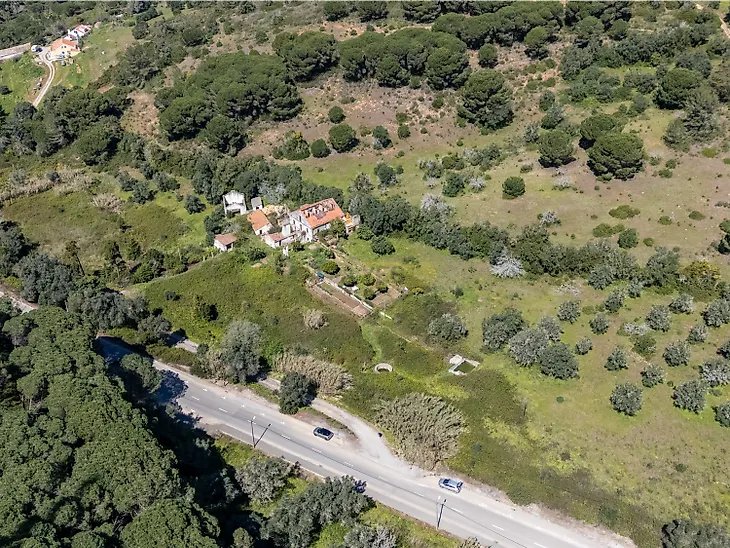
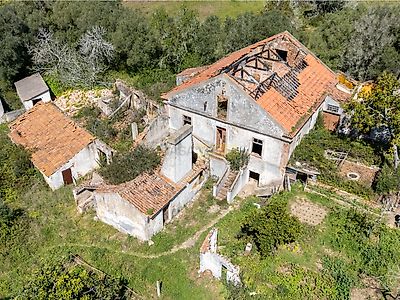
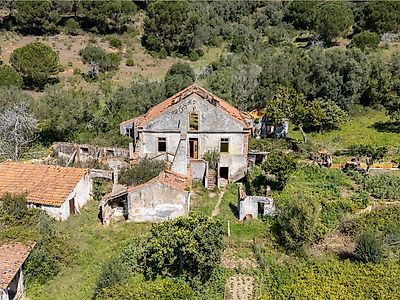
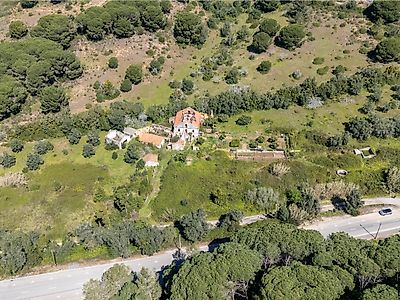
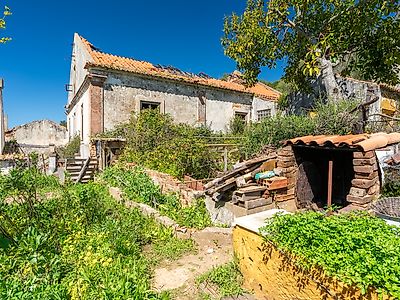

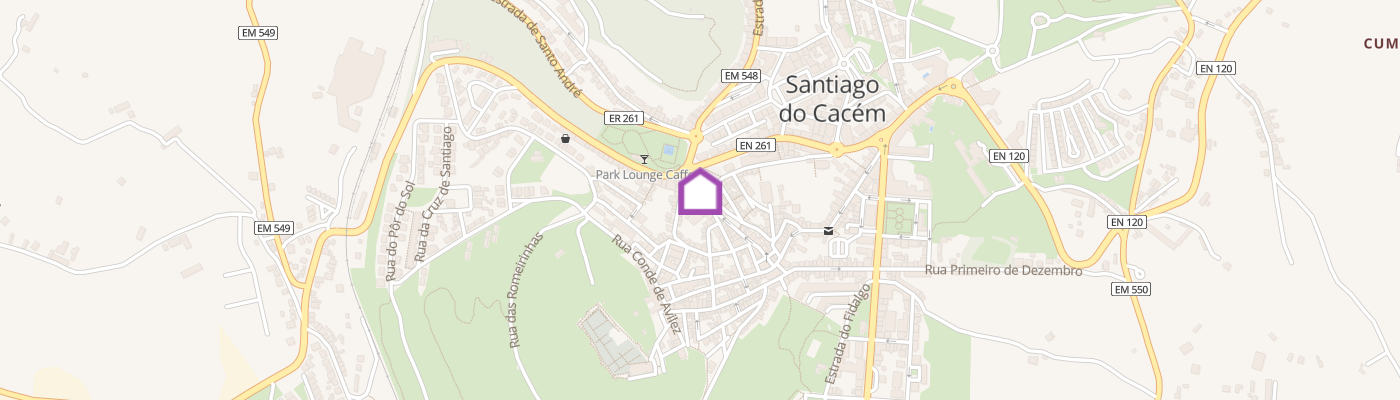
Farm with 3.3 hectares and 432 sqm of total gross construction area, located in Santiago do Cacém, Alentejo, one hour and twenty minutes from Lisbon and twenty minutes from the beach. The single-storey main house, with high ceilings, consists of several rooms and bedrooms. It is currently in ruins, so a rehabilitation project will be necessary. In addition to the main house, there are side buildings that were used as agricultural support. The exterior area features an irrigation tank, a well, and a bread oven. Features: - Property to be renovated - Well - Irrigation tank - Bread oven - Solar orientation: East / West / South Santiago do Cacém, a typical Alentejo town, is dominated by the Castle, with whitewashed houses and a historical area of great architectural beauty. The Roman ruins of Miróbriga, which are worth a visit, are nearby. Because of its strategic geographical location, human populations have lived in this region since ancient times. Excavations at Castelo Velho, where the Roman ruins of Miróbriga are located, show that the region has been inhabited since prehistoric times. Originally a pre-Celtic settlement, the Celtic urban settlement was Romanised from the post-imperial period in the 1st century B.C. to the 5th century A.D. During the Celtic period there were links with other peninsular peoples, specifically to the south, but the Romans revitalised the daily life of the town as it became the main Roman city on the west coast south of the Tagus. Salatia Imperatoria or Mirobriga Celtici (the scholars are divided on the name) had a forum with its temple, imposing spas or baths and (1 km away) the only Roman hippodrome found in Portugal. In the 19th century, in the time of the Majorats, Santiago do Cacém was a small court, where the lords of the land lived a life of luxury and ostentation. The opulent houses of the Counts of Bracial, La Cerda, Beja, majors, the Counts of Avillez, Fonseca Achaiolli and others dominated the town and other Alentejo lands. The following facts reflect not only the wealth of the lords, but also the flourishing and picturesque life of the first half of the 20th century in the country:- In 1895 the first car arrived in Portugal. It was owned by the Count of Avilez, of Santiago do Cacém; - The first Rolls Royce that came to Portugal also came to Santiago do Cacém, owned by José Sande Champalimaud; - The first car registration issued by the Ministry of Public Works in 1904 to Santiago do Cacém was in the name of Augusto Teixeira de Aragão. During this period of economic development, as well as innovative farming techniques (mainly cereals, fruit and cork, and horses, mules, donkeys, cattle, sheep, goats and pigs), industry and trade also developed (cork, sawmills, milling, etc.). After 40 years of stagnation, the municipality went through another phase of urban expansion in the 1970s, the largest ever, but this time it was planned and orderly. Seen from the top of the castle, from the Passeio das Romeirinhas, which surrounds the fortress, the landscape around Santiago is breathtaking. Inside, the mother church, which was rebuilt after the 1755 earthquake, includes elements from the previous Gothic temple, built by the Order of Sant'Iago da Espada.
Additional link:https://www.quintelaepenalva.pt/imovel/?rid=21646346