

-
-
-
-
-
-
-
-
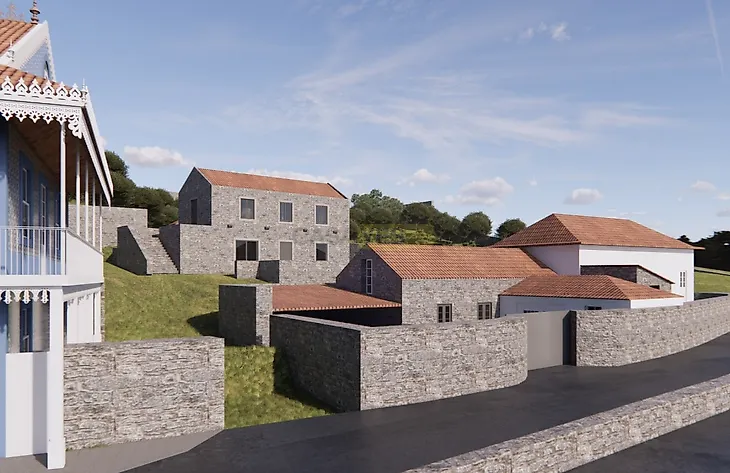
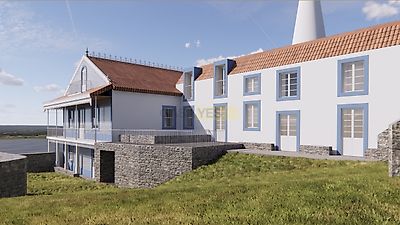
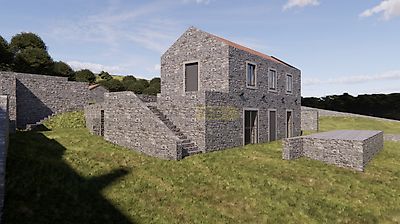
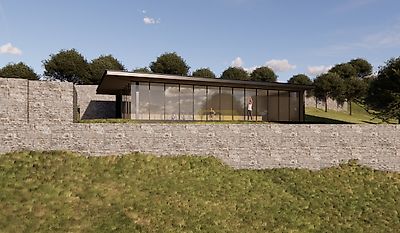
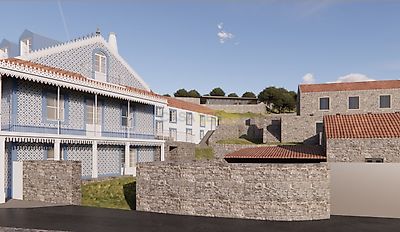

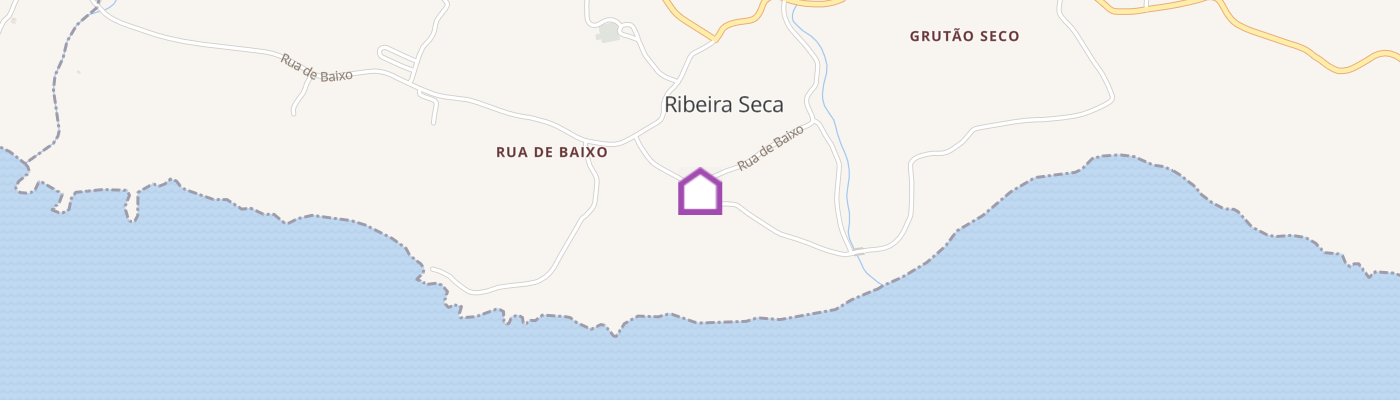
On the island of São Jorge, in the Azores, this hotel resort project comprises a property complex consisting of a main building with 12 rooms, a windmill with 3 rooms and a multi-purpose pavilion. Set on a 7,300 sqm plot, the property stands out for its sea views and extensive outdoor spaces. Located in the Central Group of the Azores, São Jorge forms part of the so-called Triangle, together with the islands of Pico and Faial. Known as the Island of Fajãs, it is distinguished by its more than 70 fajãs and the natural and gastronomic identity of the territory. The project has a building footprint of 713 sqm, a gross ancillary area of 911 sqm and a gross private area of 207 sqm, bringing together features that offer potential for the creation of a tourist accommodation establishment in harmony with the surrounding landscape. The ancillary facilities include a laundry room, changing rooms, a storage room, a water cistern and ample parking, accommodating the various operational needs associated with the development of the tourism project. The property requires complete rehabilitation and transformation. The architectural project and applications for state grants to support tourism development can be assisted on site by a company with experience in this field. The possibility of accessing EEC subsidies, with 60% of the investment covered by non-repayable funding, has been indicated. Features: - Multi-purpose pavilion - Changing rooms - Storage room - Water cistern - Sea views - Parking - Laundry room and changing rooms An opportunity for tourism investment on São Jorge Island, offering an extensive plot, sea views and development potential through the rehabilitation and transformation of the property complex. The Azores is an archipelago of nine islands (Santa Maria, São Miguel, Terceira, Graciosa, São Jorge, Pico, Faial, Flores and Corvo) which have an extensive, rich and very interesting history. Each island is unique, having been discovered and populated at different times. Historically, the Azores appeared on the map of Europe at the height of the Portuguese maritime age. At the behest of Henry the Navigator, Portuguese explorers discovered the Azores in 1427. However, Flores and Corvo were not discovered until 25 years later, in 1452. The Azores are sought-after because of the activities on offer, which include sport fishing, bird watching, canoeing, hiking, climbing, golf, yachting, diving, whale watching and swimming with dolphins, among others.
Additional link:https://www.quintelaepenalva.pt/imovel/?rid=26966761