
-
-
-
-
-
-
-
-
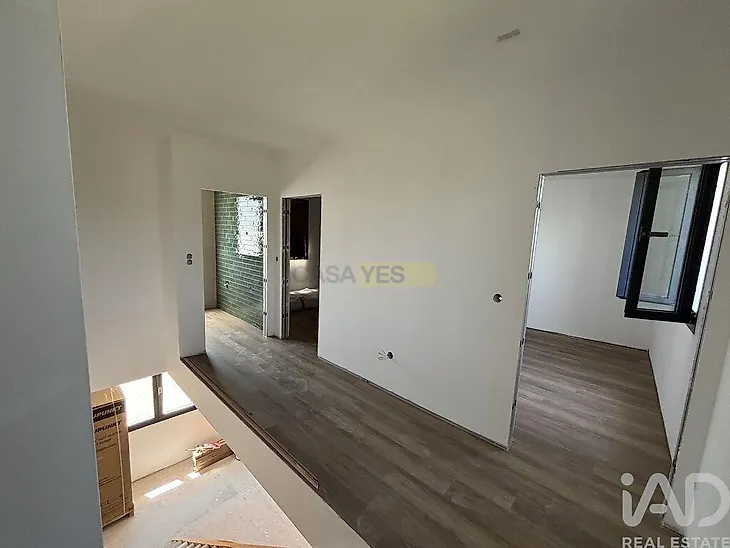
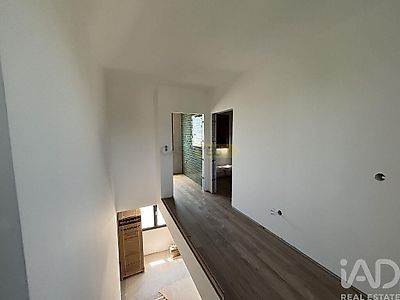
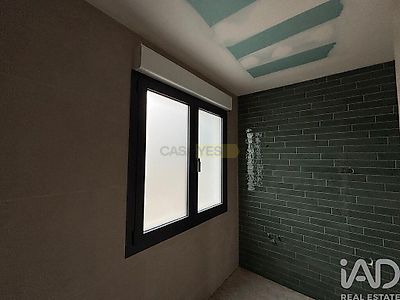
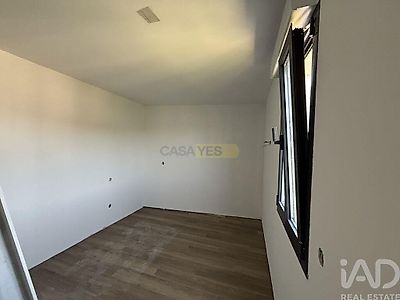
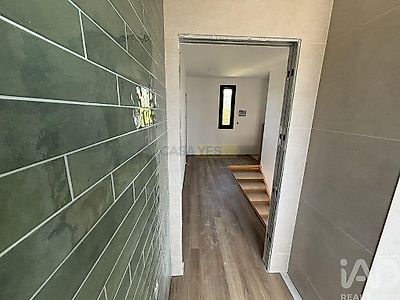

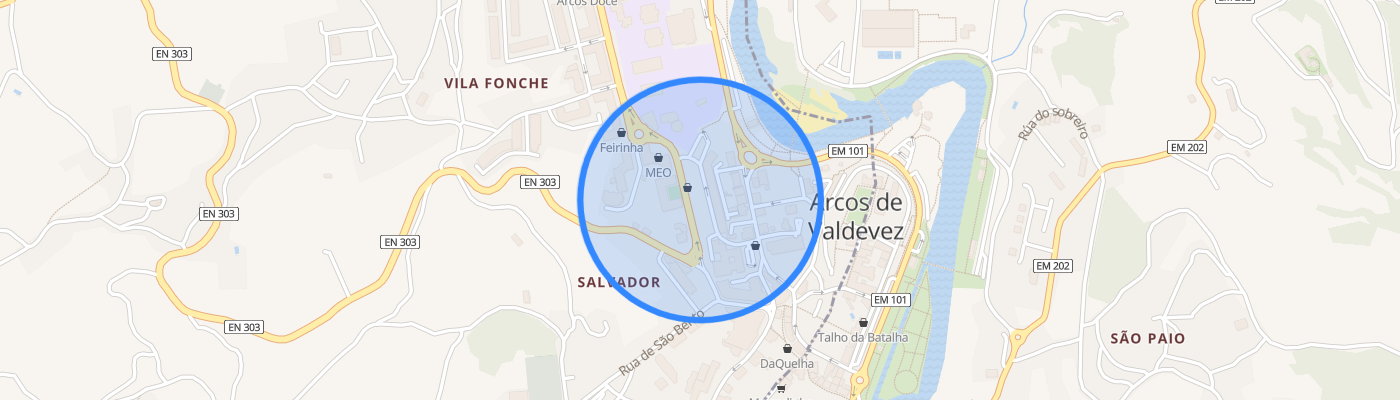
2 BEDROOM APARTMENT DUPLEX Come and discover this modern apartment located in Arcos de Valdevez, consisting of 2 rooms (first and second floor), 2 bedrooms, 2 bathrooms, 1 open space, Well located, close to the town but in a quiet place 2 BEDROOM AREAS: Total area: 108m2 Circulation: 10.00m2 Living room/kitchen: 20.90m2 Bedroom 1: 10.50m2 Bedroom 2: 9.60m2 Bathroom 1: 5.80m2 Bathroom 2: 4.80m2 Bathroom 1: 5.80m2 Bathroom 2: 4.80m2 Nearby areas: - 1 km from the town - 3 km from large shopping areas - 4 km from Ponte da Barca - 15 km from Ponte de Lima - 25 km from Viana do Castelo - 50 km from the 2nd most important airport in Portugal (Sá Carneiro) - Arcos de Valdevez is a Portuguese border town located in the Alto Minho sub-region, belonging to the Norte region and the district of Viana do Castelo. It is the seat of the municipality of Arcos de Valdevez, with a total area of 447.60 km2[1], 20,718 inhabitants[2] in 2021 and a population density of 46 inhabitants per km2, subdivided into 36 parishes[3]. The municipality is bordered to the north by the municipality of Monção, to the northeast by Melgaço, to the east by the Spanish region of Galicia, to the south by Ponte da Barca, to the southwest and west by Ponte de Lima and to the west by Paredes de Coura. The so-called Tournament of Arcos de Valdevez, also known as the "Recontro de Valdevez", was an important and decisive episode in the history of Portugal, linked to the early days of the nation, and was the precedent for the signing of the Treaty of Zamora in 1143. In 1662, during the Restoration War, the town was burned down by the general governor of arms of Castile, D. Baltazar Rojas Pantoja, who established his headquarters in the Paço de Giela, in an energetic offensive on the Minho. The highest point in the municipality is located in Pedrada,[4] at an altitude of 1,416 metres, in the Serra de Soajo. Arcos de Valdevez is one of the most beautiful towns in the Minho region and has a unique history, being associated with one of the most notable events in the history of the birth of Portuguese independence. The Porta do Mezio[10], one of the five gates of the Peneda-Gerês National Park[11], is the entrance hall to the magnificent immensity of the mountains and valleys of Soajo and Peneda. A territory so magnificent that UNESCO has declared it a World Biosphere Reserve. At the Porta, in addition to learning all the details necessary to venture into the forests and mountains, you can spend mo