

-
-
-
-
-
-
-
-
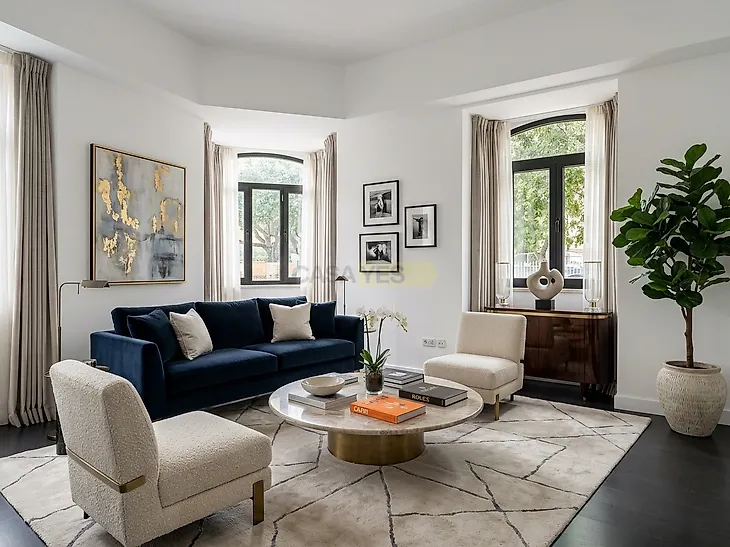
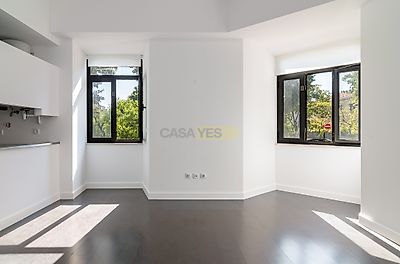
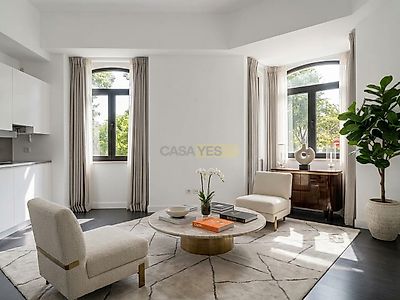
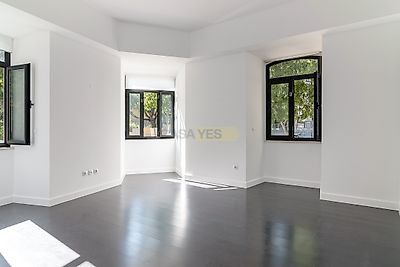
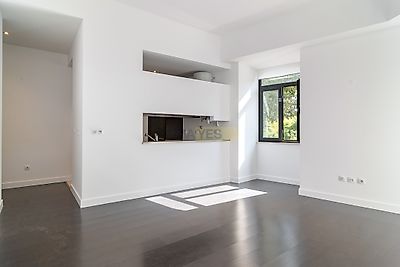

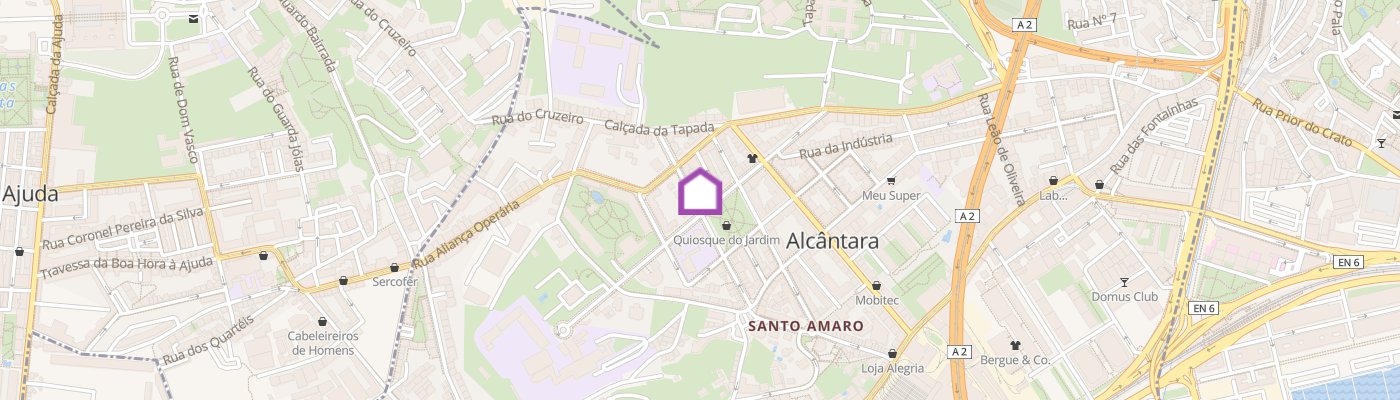
1-bedroom apartment for rent in Alto de Santo Amaro, next to the garden, in a central and well-connected location. The property benefits from proximity to traditional shops, cultural venues, green spaces and an extensive public transport network, as well as convenient access to the south bank of the River Tagus and Cascais. With 74 sqm of usable area, this apartment is set in a building with a lift. It comprises an entrance hall (8.67 sqm), a living room (21.28 sqm) with three full-height windows, one bedroom with an en-suite bathroom (15.27 sqm) and a full-height window, a fully equipped kitchen with a breakfast bar opening onto the living room (5.42 sqm), a hallway with a built-in wardrobe, and a bathroom (4.90 sqm) with a walk-in shower. Features: - Renovated property - PVC windows - West and south-facing orientation - Fully equipped kitchen with oven, hob, fridge, extractor fan, dishwasher and washing machine - Electric water heater - Double glazing - Wooden flooring - Tiled flooring in the bathroom and kitchen - Lift - Parking space Use Permit No. 176/UT/2008, issued on 16 July 2008. Sitting on the edge of the Tagus, Alcântara covers an area of 4.39 km2 and has a population of 13,911. The parish was created on 8 April 1770, when it was called São Pedro in Alcântara due to the transfer to this area what was until then the parish of São Pedro in Alfama. It is often associated with the Arabic word 'Al-quantãrã', 'the bridge', referring to the existence of a bridge over the river Alcântara, which has now disappeared. Alcântara has hills and valleys, along with natural resources on the banks of the river and fertile land that allowed a rich and varied agriculture, with many vegetable gardens in the alluvial valleys, vineyards and cereals, and limestone quarries with lime kilns. It was these conditions that attracted people to settle here during the Muslim occupation, albeit spread apart. It was in the 18th century that Alcântara began to urbanise, coinciding with the creation of the parish. The factory buildings from the late 19th century, which so marked the neighbourhood in the first decades of the 20th century, have since been abandoned. The industrialisation of Alcântara in the 2nd half of the 19th century gave way, a hundred years later, to the inverse process and a profound social transformation, and most of the properties today are residential and commercial buildings.
Additional link:https://www.quintelaepenalva.pt/imovel/?rid=26818779